Posted on

How to Tell the Difference: Queen Bee vs. Drone 🐝

Understanding the differences between queen bees and drones is essential for managing your hive—especially for beginner beekeepers. Here’s a clear guide to identifying these two distinct members of your colony:


🏆 The Queen Bee

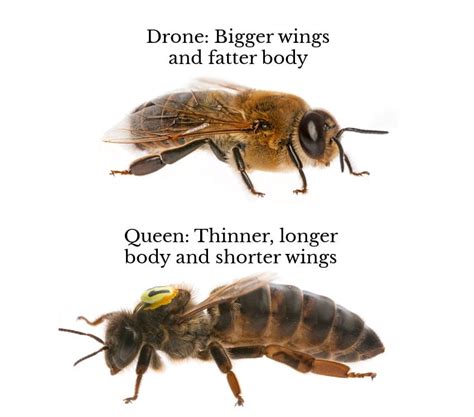
  • Size & Shape: Long, tapered abdomen that extends well beyond her wings—much more elongated than drones or workers (en.wikipedia.org, dummies.com).
  • Legs: Noticeably long and often lighter-colored, lacking pollen baskets (motherearthnews.com).
  • Behavior & Role:
    • Lays up to 1,500 eggs per day during peak season (en.wikipedia.org).
    • Surrounded constantly by worker bees tending to her needs.
    • Possesses a stinger but rarely uses it unless threatened.
  • Special Markings:

♂ The Drone

  • Size & Shape: Thick, rounded abdomen. Compared to the queen’s sleek form, drones appear “barrel-chested” (dummies.com).
  • Eyes: Massive compound eyes nearly meet at the top of their head—ideal for spotting the queen during mating flights (beeprofessor.com).
  • Behavior & Role:
  • Appearance: Fatter than workers, with no stinger, no wax glands, and no foraging features (dummies.com).

🔍 Side-by-Side Comparison

FeatureQueenDrone
AbdomenLong, tapered, extends past wingsShorter, rounded “barrel” shape
EyesModerate size, not touchingVery large, almost meeting top of head
Stinger?Yes, but used rarelyNo stinger
Pollen Baskets?NoNo
LegsLong and slenderShorter and thicker
Primary RoleEgg layer and colony reproducerMate with virgin queen

🧠 Why It Matters

  • Queen Identification:
    • Spotting the queen helps assess colony health and ensures brood production.
    • Look for her elongated abdomen among worker clusters.
  • Drone Recognition:
    • Indicates mating or potential swarming conditions—useful for swarm prevention.
    • Drones appear when the colony is investing in reproduction or preparing for a new queen.

🧑‍🎓 Tips from Beekeepers

On r/Beekeeping, one user noted:

“You can tell the queens apart by the legs and long abdomen. Drones … by the fat stubby abdomens and eyes.” (dummies.com, thebfarm.com, beeprofessor.com, reddit.com)


✅ Final Takeaway

To accurately tell a queen from a drone:

  1. Check the abdomen: Long and sleek? That’s your queen. Short and stout? Probably a drone.
  2. Look at the eyes: Huge, meeting the head midline—drone.
  3. Assess the role: If it’s laying eggs, it’s definitely the queen (with a gentle sting).

With practice, you’ll quickly spot these key differences in the hive. Let me know if you’d like a similar guide comparing queen vs. worker!
Posted on Leave a comment

Recognizing a Swarm


How to Recognize as It’s Emerging and Early Warning Signs

What a Real Swarm Looks Like (Not Just Busy Bees)

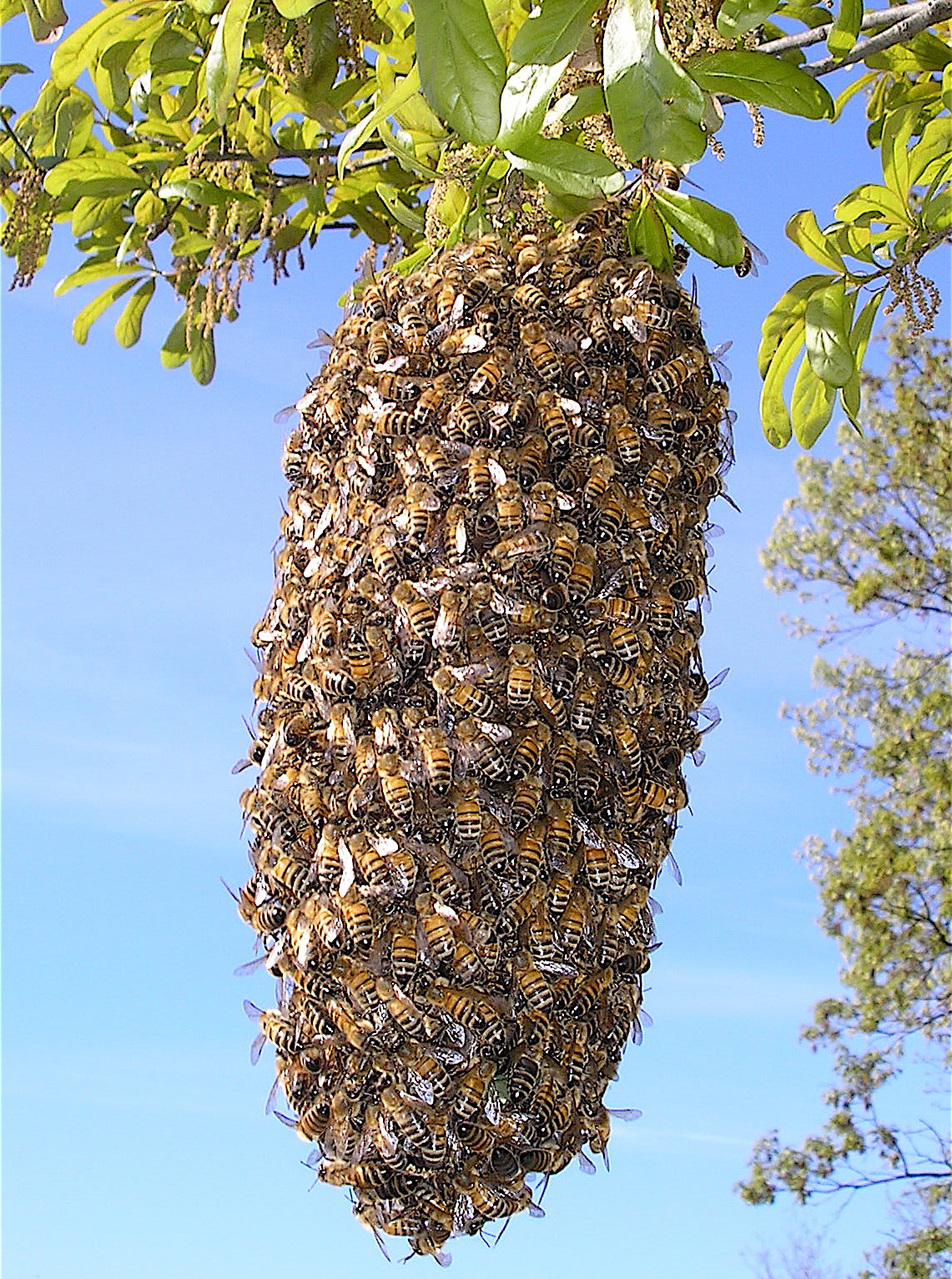
Even experienced beekeepers can sometimes misinterpret what they see in videos or photos. A true swarm has several distinctive features:

  • A dense cluster of bees hanging together—usually on a tree branch, fence, or hive top—while the existing hive shuts down activity.
  • After leaving the hive, the swarm typically clusters nearby, a few meters away, as scout bees search for a new home.
  • During this temporary stop, the cluster often stays less than three days before relocating .
  • The bees in a swarm are docile—they lack brood and won’t defend an empty hive.

Common Mistakes: What Beginners Often Mislabel as Swarms

  • Orientation flights: Groups of bees performing figure‑8 patterns near the hive entrance— they’re merely learning their home’s layout.
  • Bearding: Large clusters of bees on the hive’s exterior usually triggered by heat or crowding—not swarming.
  • Busy traffic in front of the hive? That’s just a bustling colony—not a swarm.

How to Know Your Hive Is Preparing to Swarm

Watch for these tell‑tale signs before bees actually leave:

  1. High bee population: A crowded hive with fully drawn combs and a dense brood nest.
  2. Backfilling brood nest with nectar: Indicates limited space and swarming intent.
  3. Cellular alerts:
    • Queen cups (unfinished cells): Practice runs—harmless.
    • Swarm‑type queen cells (large, peanut‑shaped, edge of frames, often grouped): strong signal of pending swarm.
  4. High drone presence: Abundant drone brood means the colony is preparing for new queen mating flights.
  5. Consistent bearding in cool to mild weather: May signal congestion and swarm planning—especially possible when adding supers alone may not relieve pressure.

Why This Matters

  • Pre‑emptive action: Catching swarm signals early (queen cells, overcrowding) allows for preventative measures—splits, checkerboarding, or extra space—before the bees fly .
  • Accurate reporting: Knowing the difference between a swarm and normal activity helps avoid unnecessary alarms and misinformation on social media.
  • Bee welfare: Swarms that aren’t managed can leave hives queenless and vulnerable, reducing colony health and productivity.

What to Do If You See a Swarm or Pre‑Swarm Cue

  • Observe, don’t panic. A true swarm is calm and won’t sting unless provoked.
  • Capture or guide: If it’s a full swarm cluster, contact a seasoned beekeeper or local club to relocate it.
  • Inspect hive: If queen cells or congestion appear, act—split the hive, add drawn frames, or use checkerboarding techniques.
  • Document correctly: Take clear photos showing a cluster of bees in a single mass, not bees flying or crawling near the hive.

Conclusion

Spotting the difference between a true swarm and everyday hive activity—with a cluster of bees in transit—is key. Understanding the early warning signs, akin to reading nature’s signals, empowers beekeepers to take action before losing half their bees. With accurate recognition, beginners can avoid mislabeling harmless behavior as a swarm—preventing confusion and improving hive management across the community.

Posted on Leave a comment

The Fight for Pure Honey

A Beekeeper’s Struggle Against Adulteration


Beekeeping is more than a job; it’s a labor of love. Each jar of honey represents countless hours of work, from tending to hives to battling pests and ensuring colony health. But for many American beekeepers, the reward for their hard work is being undermined by a troubling trend: the rise of adulterated honey.


The Reality of Adulteration

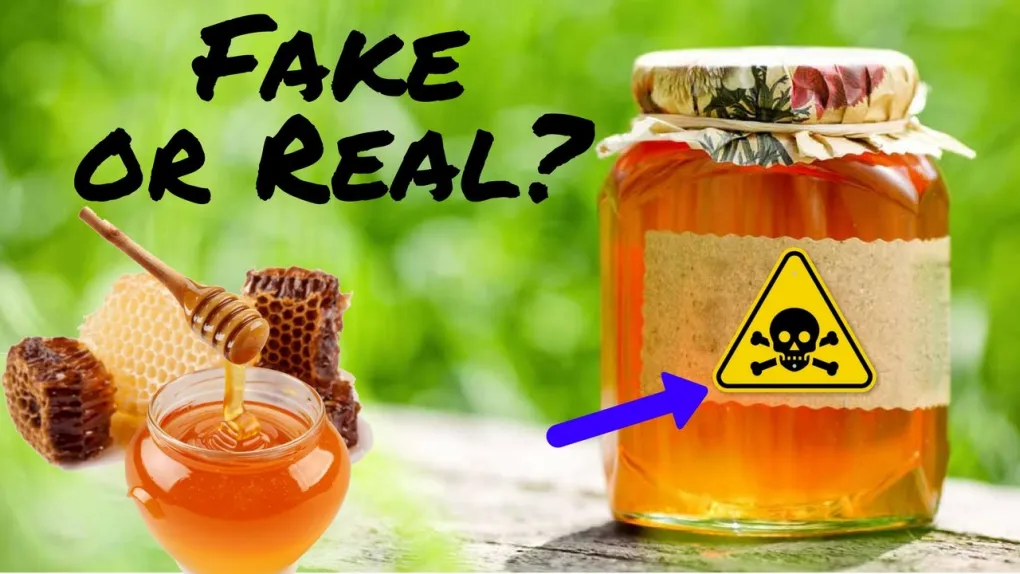
Imagine pouring your heart into producing pure, golden honey, only to see it mixed with cheaper, fake products. That’s the reality many beekeepers face today. Imported honey, often diluted with sugar syrups, and outright fake honey made from flavoring and corn syrup are flooding the market. These counterfeit products are sold at a fraction of the cost, making it nearly impossible for honest beekeepers to compete.

Studies show that a significant portion of honey sold in the U.S. is adulterated. This isn’t just an economic issue—it’s a betrayal of consumer trust and a blow to those who dedicate their lives to beekeeping (FDA Sampling Report on Honey Adulteration).


Beekeepers vs. the FDA: The Push for a Definition

American beekeepers have long called on the FDA to establish a clear, enforceable definition of honey. Without this standard, anything resembling honey can be labeled as such, leaving the door wide open for fraud.

In 2011, industry groups petitioned the FDA to adopt a definition based on international Codex Alimentarius standards (Codex Alimentarius Honey Standard). Sadly, the request was denied. The FDA argued that current laws against misbranding and adulteration were sufficient (FDA Honey Labeling Guidance), but many beekeepers disagree. They see firsthand how the lack of enforcement and clarity harms their livelihoods.


The Personal Toll on Beekeepers

The financial impact on beekeepers is devastating. With fake and imported honey flooding the market, prices have plummeted (Food Safety Tech Article on Honey Fraud). For small and family-run operations, this means tighter margins and, in some cases, the painful decision to leave the industry altogether.

Beekeepers take pride in their work, knowing their honey is a gift from the bees and a product of their stewardship. Watching their hard-earned harvest devalued and blended with subpar alternatives is heartbreaking.


What Happens When Honey Is Mislabeled?

When honey isn’t labeled correctly—especially when it falsely claims to be pure or single-sourced—it not only deceives consumers but also violates federal laws. Penalties for mislabeling can include:

While these penalties exist, enforcement remains inconsistent, leaving honest beekeepers to bear the brunt of the consequences.


How Can Beekeepers Protect Themselves?

Despite the challenges, there are steps beekeepers can take to fight back and protect their livelihoods:

  1. Label Transparently:
    • Make it clear where your honey comes from and what makes it special. Consumers are increasingly seeking local and responsibly sourced products (National Honey Board).
  2. Educate Your Buyers:
  3. Advocate for Change:

A Call to Action

For consumers, supporting local beekeepers is about more than buying honey—it’s about preserving an industry and a way of life. For beekeepers, the fight for fair treatment continues. By raising awareness, demanding transparency, and pushing for stronger regulations, we can ensure that honey remains pure and that beekeepers receive the respect and compensation they deserve.


This cleaned-up version ensures that you can copy and paste it directly to your site without encountering formatting issues. Let me know if you need any additional adjustments!

Posted on Leave a comment

Spotlight on Tropilaelaps: The Emerging Threat to Honeybee Colonies

For decades, beekeepers worldwide have battled the relentless varroa mite, but another pest is beginning to raise concerns: the Tropilaelaps mite. Originally native to Asia, Tropilaelaps mites are spreading to other regions, posing a serious threat to honeybee health. Understanding this emerging pest is essential for protecting your colonies.


What Are Tropilaelaps Mites?

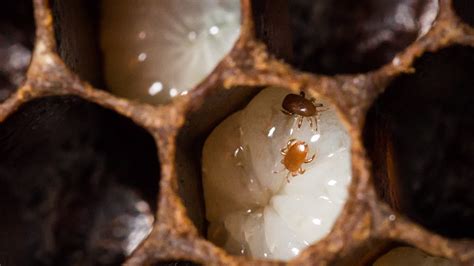
Tropilaelaps mites are parasitic pests that feed on honeybee larvae and pupae. Unlike varroa mites, Tropilaelaps mites:

  • Reproduce faster, completing their lifecycle in 5-7 days.
  • Do not survive on adult bees, focusing instead on brood cells.
  • Inflict severe damage in a shorter time due to rapid reproduction.

Source: University of Florida: Tropilaelaps Mites


How Are They Different From Varroa Mites?

While varroa mites primarily weaken adult bees by feeding on their fat bodies, Tropilaelaps mites:

  • Cause brood deformities, reducing the number of healthy emerging bees.
  • Leave colonies highly vulnerable to secondary infections and viruses.
  • Overwhelm hives quickly due to their rapid reproduction cycle.

Source: Veto Pharma: Tropilaelaps Challenges


Recognizing the Signs of Infestation

Early detection of Tropilaelaps mites is critical. Look for:

  • Spotty brood patterns with a high number of uncapped cells.
  • Deformed larvae and pupae with visible injuries.
  • Unusual mite activity on the comb surface.

Source: National Bee Unit: Tropilaelaps Identification


Monitoring and Prevention

To minimize the risk of Tropilaelaps infestation:

  1. Inspect Regularly: Monitor brood frames for signs of mite damage. Use sticky boards or sugar shakes to assess mite levels.
  2. Practice Biosecurity: Avoid importing bees or equipment from areas known to harbor Tropilaelaps mites. Quarantine new colonies before introducing them to your apiary.
  3. Improve Hive Hygiene: Remove and replace infested brood frames promptly. Keep hives clean and well-ventilated to deter pests.

Source: Michigan State University: Tropilaelaps Information


Future Outlook and Preparedness

As global trade increases the spread of Tropilaelaps mites, beekeepers must stay informed. Researchers are developing management techniques and treatment options, but proactive monitoring and biosecurity are your best defense for now.

Source: Entomology Today: Tropilaelaps Threat


Conclusion

Tropilaelaps mites may not yet be as widespread as varroa, but their rapid reproduction and devastating effects make them a serious threat. By staying vigilant and adopting preventative measures, you can protect your hives and ensure the health of your bees.

Posted on Leave a comment

Preparing for Early Spring: A Beekeeper’s January Checklist

January is the perfect time for beekeepers to lay the groundwork for a productive spring. While your bees are clustered to stay warm, there’s plenty you can do to ensure they emerge healthy and ready to thrive. Here’s a practical checklist to help you prepare for the upcoming beekeeping season.


1. Inspect Hive Conditions

Check for Moisture: Ensure hives are dry to prevent mold and disease. Proper ventilation is crucial during winter months.

Source: Idaho Beekeepers: Wintering Hives

Assess Food Stores: Confirm that colonies have sufficient honey reserves to last until spring. If stores are low, consider emergency feeding options.

Source: Gardening Know-How: Winterizing Bees


2. Plan for Spring Equipment Needs

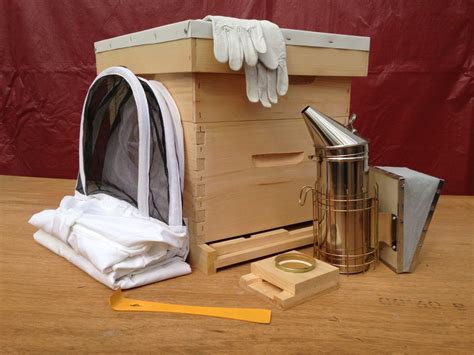
Repair and Clean Equipment: Use this downtime to fix or replace damaged hive components and clean tools in preparation for the active season.

Source: Bee Professor: Winterizing Beehives


3. Monitor Colony Health

Check for Pests: Regularly inspect for signs of pests like varroa mites, which can weaken colonies during winter.

Source: Mann Lake: Winter Hive Care


4. Plan for Spring Management

Review Hive Records: Analyze notes from the previous year to inform your spring management strategy.


Conclusion

By tackling this January checklist, you’ll be well-prepared for the early spring season. A little planning and preparation now can make all the difference when your bees emerge and the apiary comes to life.

Posted on Leave a comment

Winter Hive Care: Protecting Your Bees During the Coldest Months

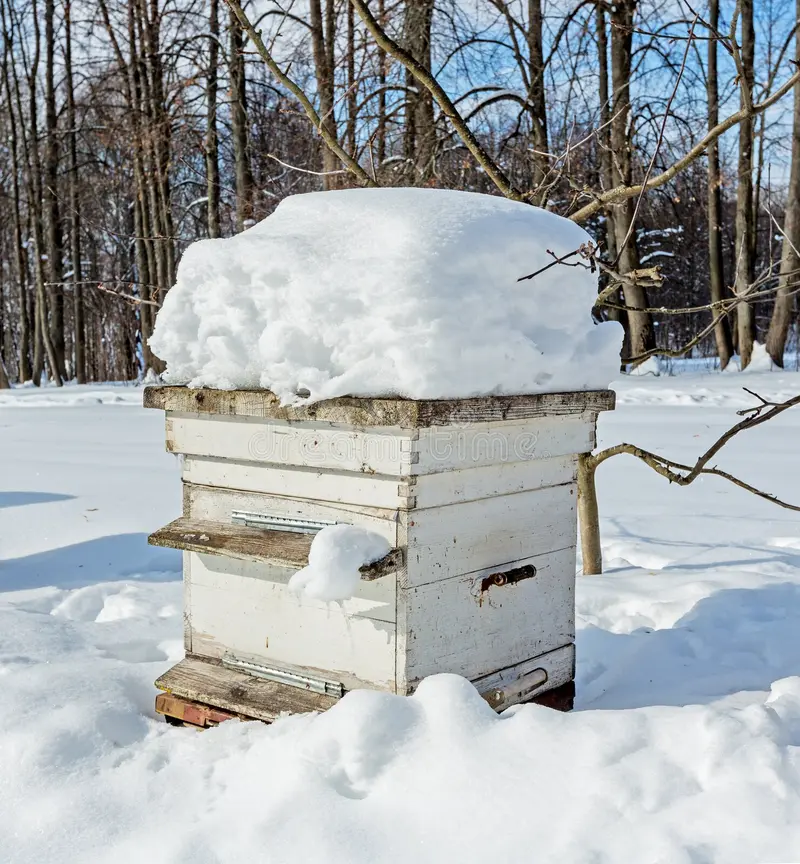
As winter grips the landscape, beekeepers must ensure their hives are well-prepared to survive the harsh conditions. Winter is a critical time for honeybee colonies, as the cluster must stay warm and well-fed until the first blooms of spring. Here’s how you can help your bees thrive through the coldest months.


Ventilation: Preventing Moisture Buildup

Moisture, not cold, is the biggest threat to overwintering colonies. Bees generate heat and release moisture while clustered. Without proper ventilation, condensation can form on the hive’s interior, leading to damp conditions that chill the bees. Use a moisture board or slightly tilt the hive forward to direct moisture away.

Source: Honey Bee Suite: How to Prepare Your Hives for Winter


Monitor Food Stores

Honey stores are the colony’s lifeline during winter. If you notice bees clustering near the top of the hive, it may signal they’re low on food. Check hive weights periodically, and if stores are depleted, provide emergency feeding:

  • Sugar cakes: A solid block placed above the cluster.
  • Fondant: A softer option that bees can easily access.

Source: BeeKeepClub: How to Control Moisture in the Beehive


Insulation and Windbreaks

While bees are adept at keeping their cluster warm, insulating the hive can help reduce the energy they expend. Wrap the hive with breathable materials designed for beekeeping, and ensure entrances are unobstructed to maintain ventilation. Additionally, create windbreaks using hay bales, fencing, or natural barriers to protect against chilling winds.

Source: Honey Bee Suite: To Wrap or Not to Wrap Your Hives for Winter


Minimal Disturbance

Opening hives during winter can disrupt the cluster and cause significant heat loss. Instead, observe external activity:

  • Are bees taking cleansing flights on warmer days?
  • Is there excessive debris or dead bees at the entrance?

Source: Honey Bee Suite: An Upper Entrance in Winter


Mid-Winter Checkups

On warmer days (above 40°F or 5°C), conduct brief inspections:

  • Verify food supplies.
  • Ensure entrances are clear of debris or ice.
  • Add emergency food if needed.

Source: Honey Bee Suite: Wintertime Hive Prep: A List of Things to Do


Plan Ahead for Spring

Winter is also a time to plan for the active season ahead. Review your notes from the previous year, clean and repair equipment, and order new supplies. Having a solid plan in place ensures you’re ready when the bees are.

Source: Honey Bee Suite: Overwintering Success: The One Thing I Do Differently


Conclusion

By following these steps, you can support your colonies through the winter and set the stage for a productive spring. Remember, proactive care is key to healthy, thriving hives. Stay vigilant and adaptable to meet your bees’ needs during this critical time.