How BeeWhere Simplifies Compliance
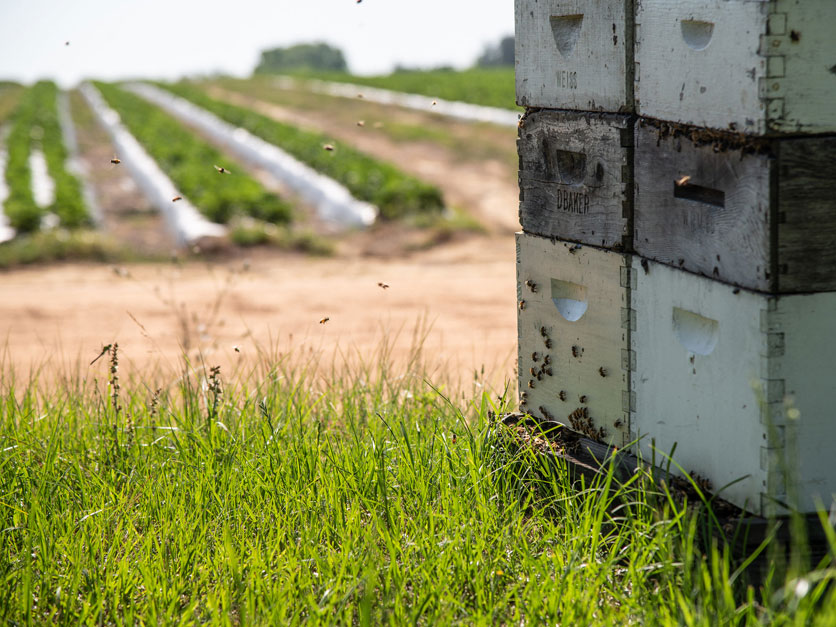
Beekeeping is more than a hobby—it’s a crucial part of California’s agricultural success. Honey bees play a vital role in pollinating crops, but their well-being faces increasing threats. California’s hive registration rule is a critical step in safeguarding bees and the beekeeping industry. Enter BeeWhere, a state-backed program that makes compliance easier for everyone.
The Purpose Behind Hive Registration
California’s hive registration law isn’t just a bureaucratic hurdle; it’s a lifeline for bees. The law requires every beekeeper to register their hives with the local County Agricultural Commissioner within 30 days of establishing an apiary (California Food and Agricultural Code §29040). Registration must be renewed annually to ensure accurate hive location data.
This isn’t about control—it’s about protection. Knowing where hives are located helps coordinate efforts to prevent pesticide exposure and manage pollination schedules (BeeWhere Program Overview). It’s a system designed with both bees and beekeepers in mind.
What Is BeeWhere?
BeeWhere is California’s answer to simplifying hive registration. It’s a user-friendly program that leverages modern technology to keep track of hive locations while ensuring privacy and security for beekeepers (BeeWhere FAQ).
At its core, BeeWhere connects beekeepers, farmers, and pesticide applicators. This collaborative approach ensures that everyone involved in agriculture can work together to protect pollinators.
How BeeWhere Works
- Hive Registration: Beekeepers can log into BeeWhere and register their hives, including their exact locations. This data feeds into a secure state database (California Agricultural Commissioners).
- Real-Time Mapping: The program uses maps to display hive locations. This ensures that pesticide applicators can see where hives are and adjust their methods accordingly (BeeWhere Mapping Tools).
- Alerts and Notifications: Beekeepers receive notifications about activities, such as pesticide applications, that could affect their hives. This gives them time to take precautions (BeeWhere Program Overview).
- Mobile Accessibility: BeeWhere works on smartphones, making it easy for beekeepers to update hive locations and receive alerts from anywhere (BeeWhere Mobile Features).
How Does the Lack of Internet Service Affect BeeWhere?
While BeeWhere is a powerful tool, its reliance on internet access can pose challenges for beekeepers in areas with poor connectivity. Here’s how a lack of internet service can affect its functionality:
- Hive Registration Delays: Beekeepers without internet access may face difficulties registering their hives promptly, potentially leading to non-compliance (Shasta County Agriculture Department).
- Inability to Update Locations: Without an internet connection, hive locations cannot be updated in real time, resulting in outdated data.
- Missed Notifications: Beekeepers may not receive alerts about pesticide applications or other activities near their hives, increasing the risk to pollinators.
- Limited Mobile Features: BeeWhere’s mobile tools, which allow users to manage hives on the go, require an internet connection to function effectively.
To address these challenges, beekeepers can:
- Register hives manually by contacting their local County Agricultural Commissioner.
- Use public internet services at libraries or community centers to access BeeWhere.
- Invest in mobile hotspots or collaborate with beekeeping associations for assistance.
Why Do Out-of-State Beekeepers Need to Register?
Out-of-state beekeepers who bring their hives into California for pollination season are also required to register their hives within 30 days of arrival (California Food and Agricultural Code §29042). This registration serves several purposes:
- Pollinator Protection: Accurate hive location data helps prevent pesticide exposure, safeguarding bee health.
- Regulatory Compliance: Registration ensures adherence to California’s beekeeping laws, avoiding potential penalties.
- Agricultural Coordination: Knowing hive locations facilitates effective collaboration between beekeepers and farmers during critical pollination periods.
Out-of-state beekeepers must also pay the annual $10 registration fee, which applies regardless of the number of hives (Western Growers).
Addressing Concerns About Pesticide Protection
Some beekeepers, particularly those who work closely with growers, coordinate hive placements with pesticide application schedules. They may feel that the pesticide protection aspect of hive registration is unnecessary in their cases. However, hive registration through BeeWhere offers benefits that go beyond individual arrangements:
- Community-Wide Safety: Not all pesticide applicators may be part of personal agreements. Registration ensures that everyone is informed about hive locations.
- Backup for Unforeseen Changes: Weather or scheduling issues can disrupt plans. Registration provides a safety net to protect hives.
- Legal Compliance: Registration is a legal requirement that helps maintain accurate records for the entire agricultural community.
For those already coordinating with growers, registration adds an extra layer of protection, enhancing pollinator safety on a larger scale.
How to Get Started
BeeWhere is easy to use, even if you’re not tech-savvy. To register your hives, visit the BeeWhere website and follow the instructions. You can update hive locations, set up notifications, and access maps—all from the same platform. If you need help, your local County Agricultural Commissioner is just a call away (California Agricultural Commissioners Contact Information).
A Win for Beekeepers and Bees Alike
BeeWhere isn’t just a tool—it’s a testament to what’s possible when technology meets agriculture. By making hive registration simple and effective, BeeWhere helps protect California’s bees while supporting its agricultural economy. For beekeepers, it’s peace of mind; for bees, it’s a lifeline.
When you register your hives, you’re doing more than following the law—you’re safeguarding the future of beekeeping.