Posted on Leave a comment

Spotlight on Tropilaelaps: The Emerging Threat to Honeybee Colonies

For decades, beekeepers worldwide have battled the relentless varroa mite, but another pest is beginning to raise concerns: the Tropilaelaps mite. Originally native to Asia, Tropilaelaps mites are spreading to other regions, posing a serious threat to honeybee health. Understanding this emerging pest is essential for protecting your colonies.


What Are Tropilaelaps Mites?

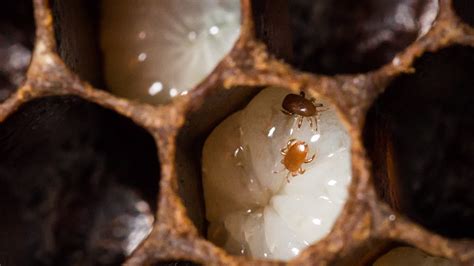
Tropilaelaps mites are parasitic pests that feed on honeybee larvae and pupae. Unlike varroa mites, Tropilaelaps mites:

  • Reproduce faster, completing their lifecycle in 5-7 days.
  • Do not survive on adult bees, focusing instead on brood cells.
  • Inflict severe damage in a shorter time due to rapid reproduction.

Source: University of Florida: Tropilaelaps Mites


How Are They Different From Varroa Mites?

While varroa mites primarily weaken adult bees by feeding on their fat bodies, Tropilaelaps mites:

  • Cause brood deformities, reducing the number of healthy emerging bees.
  • Leave colonies highly vulnerable to secondary infections and viruses.
  • Overwhelm hives quickly due to their rapid reproduction cycle.

Source: Veto Pharma: Tropilaelaps Challenges


Recognizing the Signs of Infestation

Early detection of Tropilaelaps mites is critical. Look for:

  • Spotty brood patterns with a high number of uncapped cells.
  • Deformed larvae and pupae with visible injuries.
  • Unusual mite activity on the comb surface.

Source: National Bee Unit: Tropilaelaps Identification


Monitoring and Prevention

To minimize the risk of Tropilaelaps infestation:

  1. Inspect Regularly: Monitor brood frames for signs of mite damage. Use sticky boards or sugar shakes to assess mite levels.
  2. Practice Biosecurity: Avoid importing bees or equipment from areas known to harbor Tropilaelaps mites. Quarantine new colonies before introducing them to your apiary.
  3. Improve Hive Hygiene: Remove and replace infested brood frames promptly. Keep hives clean and well-ventilated to deter pests.

Source: Michigan State University: Tropilaelaps Information


Future Outlook and Preparedness

As global trade increases the spread of Tropilaelaps mites, beekeepers must stay informed. Researchers are developing management techniques and treatment options, but proactive monitoring and biosecurity are your best defense for now.

Source: Entomology Today: Tropilaelaps Threat


Conclusion

Tropilaelaps mites may not yet be as widespread as varroa, but their rapid reproduction and devastating effects make them a serious threat. By staying vigilant and adopting preventative measures, you can protect your hives and ensure the health of your bees.
Posted on Leave a comment

Preparing for Early Spring: A Beekeeper’s January Checklist

January is the perfect time for beekeepers to lay the groundwork for a productive spring. While your bees are clustered to stay warm, there’s plenty you can do to ensure they emerge healthy and ready to thrive. Here’s a practical checklist to help you prepare for the upcoming beekeeping season.


1. Inspect Hive Conditions

Check for Moisture: Ensure hives are dry to prevent mold and disease. Proper ventilation is crucial during winter months.

Source: Idaho Beekeepers: Wintering Hives

Assess Food Stores: Confirm that colonies have sufficient honey reserves to last until spring. If stores are low, consider emergency feeding options.

Source: Gardening Know-How: Winterizing Bees


2. Plan for Spring Equipment Needs

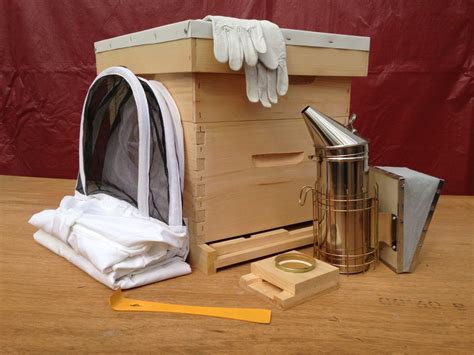
Repair and Clean Equipment: Use this downtime to fix or replace damaged hive components and clean tools in preparation for the active season.

Source: Bee Professor: Winterizing Beehives


3. Monitor Colony Health

Check for Pests: Regularly inspect for signs of pests like varroa mites, which can weaken colonies during winter.

Source: Mann Lake: Winter Hive Care


4. Plan for Spring Management

Review Hive Records: Analyze notes from the previous year to inform your spring management strategy.


Conclusion

By tackling this January checklist, you’ll be well-prepared for the early spring season. A little planning and preparation now can make all the difference when your bees emerge and the apiary comes to life.

Posted on Leave a comment

Winter Hive Care: Protecting Your Bees During the Coldest Months

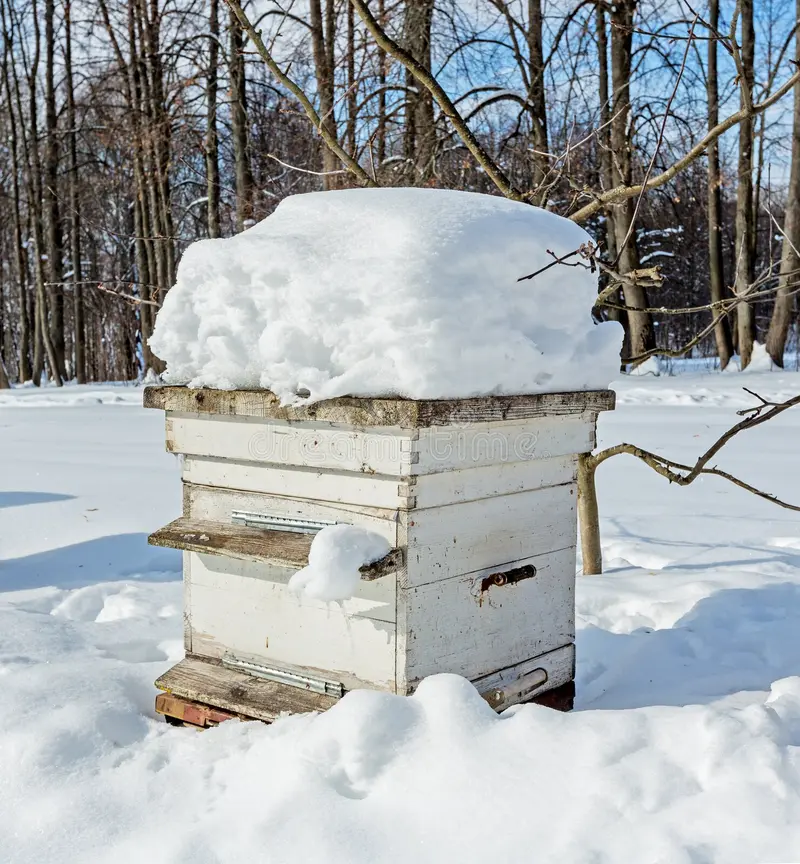
As winter grips the landscape, beekeepers must ensure their hives are well-prepared to survive the harsh conditions. Winter is a critical time for honeybee colonies, as the cluster must stay warm and well-fed until the first blooms of spring. Here’s how you can help your bees thrive through the coldest months.


Ventilation: Preventing Moisture Buildup

Moisture, not cold, is the biggest threat to overwintering colonies. Bees generate heat and release moisture while clustered. Without proper ventilation, condensation can form on the hive’s interior, leading to damp conditions that chill the bees. Use a moisture board or slightly tilt the hive forward to direct moisture away.

Source: Honey Bee Suite: How to Prepare Your Hives for Winter


Monitor Food Stores

Honey stores are the colony’s lifeline during winter. If you notice bees clustering near the top of the hive, it may signal they’re low on food. Check hive weights periodically, and if stores are depleted, provide emergency feeding:

  • Sugar cakes: A solid block placed above the cluster.
  • Fondant: A softer option that bees can easily access.

Source: BeeKeepClub: How to Control Moisture in the Beehive


Insulation and Windbreaks

While bees are adept at keeping their cluster warm, insulating the hive can help reduce the energy they expend. Wrap the hive with breathable materials designed for beekeeping, and ensure entrances are unobstructed to maintain ventilation. Additionally, create windbreaks using hay bales, fencing, or natural barriers to protect against chilling winds.

Source: Honey Bee Suite: To Wrap or Not to Wrap Your Hives for Winter


Minimal Disturbance

Opening hives during winter can disrupt the cluster and cause significant heat loss. Instead, observe external activity:

  • Are bees taking cleansing flights on warmer days?
  • Is there excessive debris or dead bees at the entrance?

Source: Honey Bee Suite: An Upper Entrance in Winter


Mid-Winter Checkups

On warmer days (above 40°F or 5°C), conduct brief inspections:

  • Verify food supplies.
  • Ensure entrances are clear of debris or ice.
  • Add emergency food if needed.

Source: Honey Bee Suite: Wintertime Hive Prep: A List of Things to Do


Plan Ahead for Spring

Winter is also a time to plan for the active season ahead. Review your notes from the previous year, clean and repair equipment, and order new supplies. Having a solid plan in place ensures you’re ready when the bees are.

Source: Honey Bee Suite: Overwintering Success: The One Thing I Do Differently


Conclusion

By following these steps, you can support your colonies through the winter and set the stage for a productive spring. Remember, proactive care is key to healthy, thriving hives. Stay vigilant and adaptable to meet your bees’ needs during this critical time.